

Zentrifugen
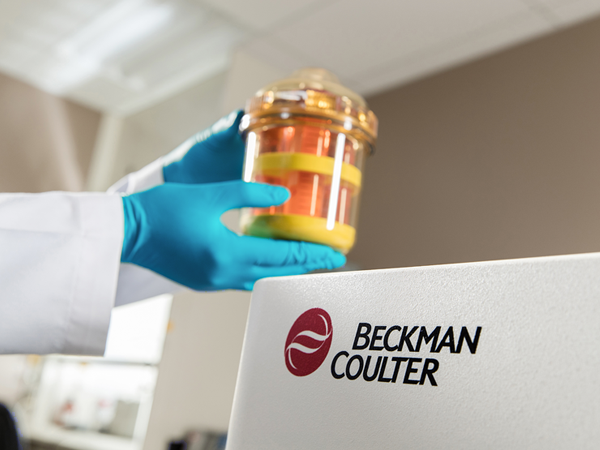
Seit 1947 entwickelt und betreut Beckman Coulter Zentrifugen für die klinische und akademische Forschung, der pharmazeutischen Industrie, für Krankenhäuser und weitere Anwendungsfelder.
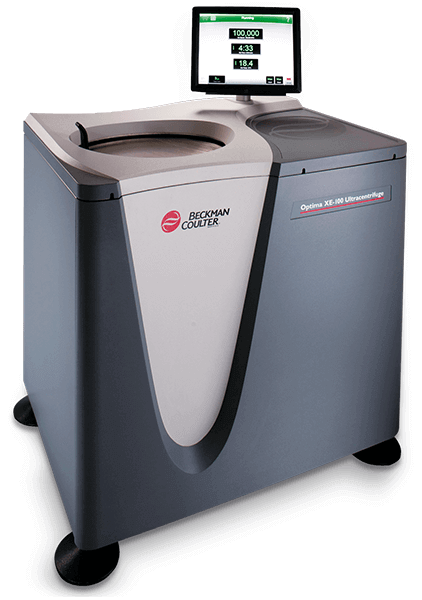
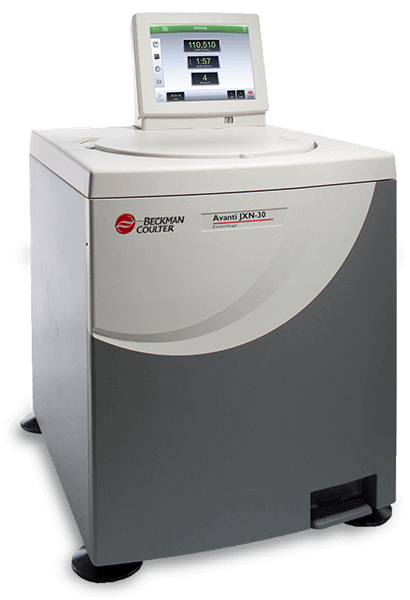
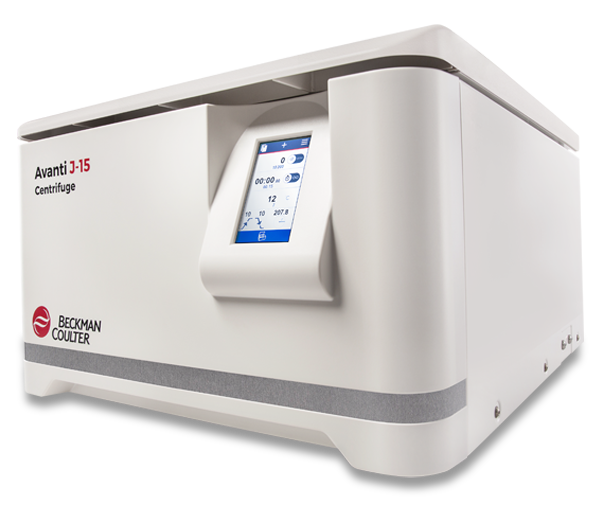
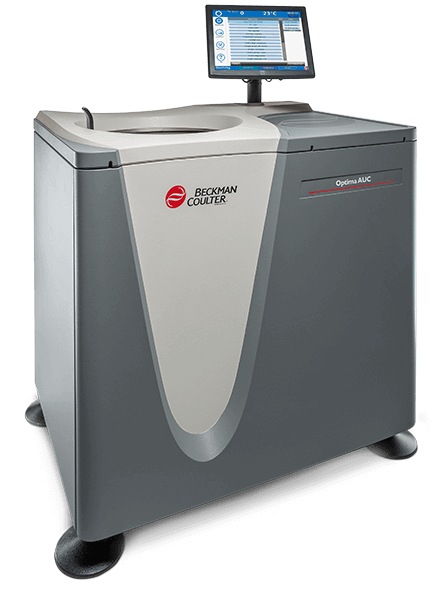
Hier finden Sie eine Übersicht über das aktuelle Portfolio der Beckman-Zentrifugen, von den Ultrazentrifugen bis zu unseren kleinen Mikrozentrifugen.
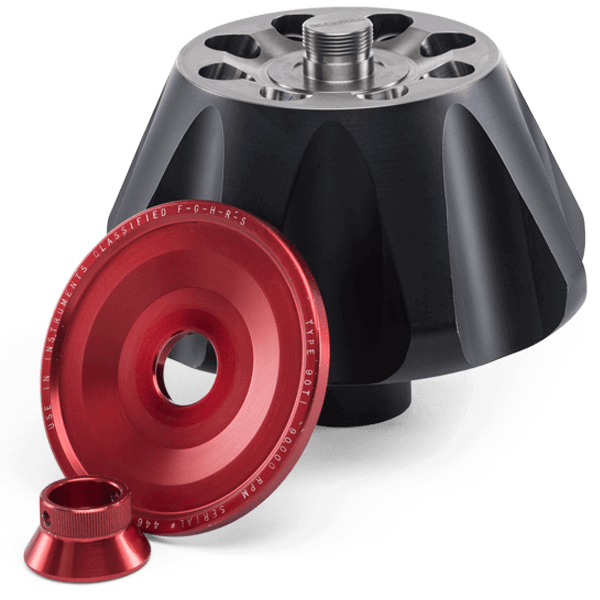
Natürlich auch alle Rotoren und unser Zubehör. Wenn Sie Röhrchen, Flaschen oder Adapter für Rotoren suchen, klicken Sie bitte direkt hier
.


FAQ on Centrifuges & Lab Equipment
What are centrifuges used for in life science laboratories?
Centrifuges are used throughout life science research for cell harvesting, protein purification, nucleic acid preparation, blood processing, viral vector purification, exosome isolation, density gradient separations, and biopharmaceutical development workflows.
What are the different types of laboratory centrifuges?
Laboratory centrifuges are available in several configurations designed for specific applications. Common types include benchtop centrifuges for routine sample preparation, high-speed centrifuges for larger biomolecules and cell harvesting, ultracentrifuges for viruses and nanoparticles, analytical ultracentrifuges for macromolecule characterization, and specialized systems such as microcentrifuges and continuous-flow centrifuges. The appropriate centrifuge depends on sample volume, separation requirements, speed, and workflow needs.
Which type of centrifuge is best for my application?
The best centrifuge depends on sample type, throughput requirements, separation goals, and speed requirements. Benchtop centrifuges are commonly used for routine laboratory workflows, such as nucleic acid and protein workflows, cell isolation, and multi-well plate processing high-speed centrifuges support larger-volume separations and cell harvesting, while ultracentrifuges are designed for high-resolution purification or particles such as viruses, extracellular vesicles, nanoparticles, and other very small particles.
What should I consider when choosing a laboratory centrifuge?
When selecting a centrifuge, laboratories should evaluate sample volume, rotor compatibility, maximum speed, relative centrifugal force (RCF), temperature control requirements, biosafety considerations, and future scalability. Choosing the right centrifuge can improve workflow efficiency, sample integrity, and reproducibility.
